Best Time to Visit Brazil: Region by Region, Month by Month
Brazil is huge, so the best month depends on where you go. Weather, crowds and prices for Rio, the Northeast beaches, the Amazon, the Pantanal, Lençóis and Iguaçu.
There's no single best time to visit Brazil, because it's really several climates in one country. When it's rainy season on the Northeast coast, it's perfect in Rio. When the Amazon floods, the Pantanal is under water too, and when it dries out, the wildlife is everywhere. The short answer: April to June and August to November are the sweet spot for most first trips, with good weather, fewer crowds and better prices.
Some links in this article are affiliate links. If you buy through them we may earn a small commission, at no extra cost to you. How we choose what to recommend.
Seasons in one minute
- Summer is December to March (southern hemisphere). Hot, humid, afternoon storms in Rio and São Paulo, peak beach season, highest prices.
- Winter is June to August. In Rio that means sunny days around 20 to 27°C. In the South it can get genuinely cold.
- Brazilian school holidays are in January and July. Domestic flights and beach towns fill up and get pricier.
Region by region
| Where | Best months | Why |
|---|---|---|
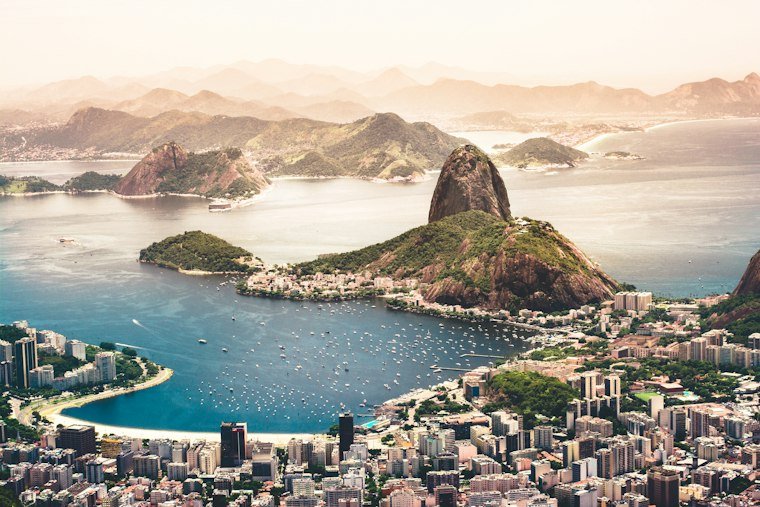
| Rio de Janeiro | April–June, August–November | Warm but not sticky, less rain, no summer crowds |
| Salvador & Bahia coast | September–March | Dry and sunny; April to June is the rainiest stretch |
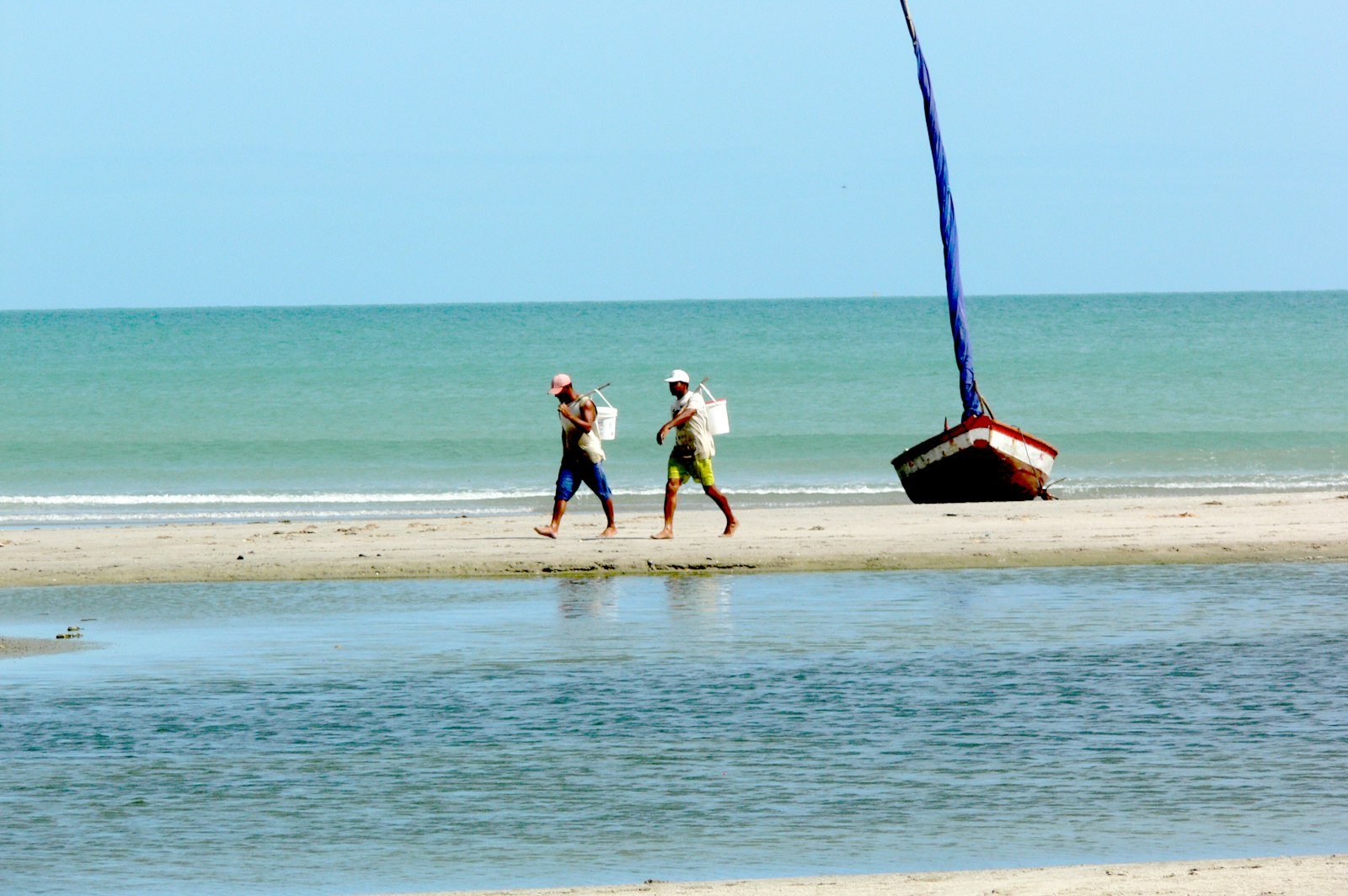
| Fortaleza, Jericoacoara | July–December | Dry season and steady wind for kitesurfing |
| Lençóis Maranhenses | June–September | The rain-fed lagoons between the dunes are full |
| Amazon | Year-round, different trips | High water (about January–June) means canoe trips through flooded forest; low water (about July–December) means beaches and trails |
| Pantanal | July–October | Dry season: animals gather around the remaining water, best for jaguars |
| Iguaçu Falls | Year-round | More water and spray in December–March, clearer views in the drier months |
| Florianópolis & the South | December–March | Beach season; winters are cool and grey |
Month by month
January–February: peak summer, hot everywhere on the coast. Carnival falls in February in 2027 (the main days are 6 to 9 February). Book months ahead and expect high prices.
March: still hot, crowds drop after Carnival. Good deals start.
April–May: one of the best times for Rio and the Southeast. Rainy season on the Northeast coast.
June: Festas Juninas, the June festivals with forró, bonfires and corn dishes, especially big in the Northeast. Lençóis lagoons start to fill.
July: school holidays, winter in the South. Great for the Pantanal and Lençóis, busy in Brazilian resorts.
August–September: dry and pleasant in most of the country. Excellent for the Pantanal, Lençóis, Jericoacoara and Rio.
October–November: warming up, still good value. Samba school rehearsals for Carnival start in Rio.
December: summer begins. New Year's Eve on Copacabana beach brings millions of people dressed in white. Book early.
Planning tips
- Don't fight the distances. Pick two or three regions in the same season rather than chasing the perfect weather everywhere. Our 10-day itinerary works in almost any month.
- Rain in the tropics is short. Summer storms in Rio usually pass in an hour. Don't cancel a beach day because of a forecast.
- Budget for the season. The same hotel can cost twice as much at New Year's and Carnival. Try our budget calculator on the home page.
FAQ
What is the cheapest month to visit Brazil?
Usually the shoulder months outside school holidays: March after Carnival, April–May and August–November, avoiding long holiday weekends.
Is it too hot to visit in summer?
Rio regularly passes 35°C in January and February. It's manageable if you plan beach mornings, indoor or shady afternoons and stay somewhere with air conditioning.
When is Carnival in 2027?
The main Carnival days in 2027 are Saturday 6 to Tuesday 9 February, ending on Ash Wednesday, 10 February. Street parties start the weekends before.