Brazilian Music: A Traveler's Guide to Samba, Bossa Nova, Forró and Where to Hear It Live
The styles you'll hear in Brazil, the artists to start with, and where to catch live music in Rio, Salvador and São Paulo without ending up in a tourist show.
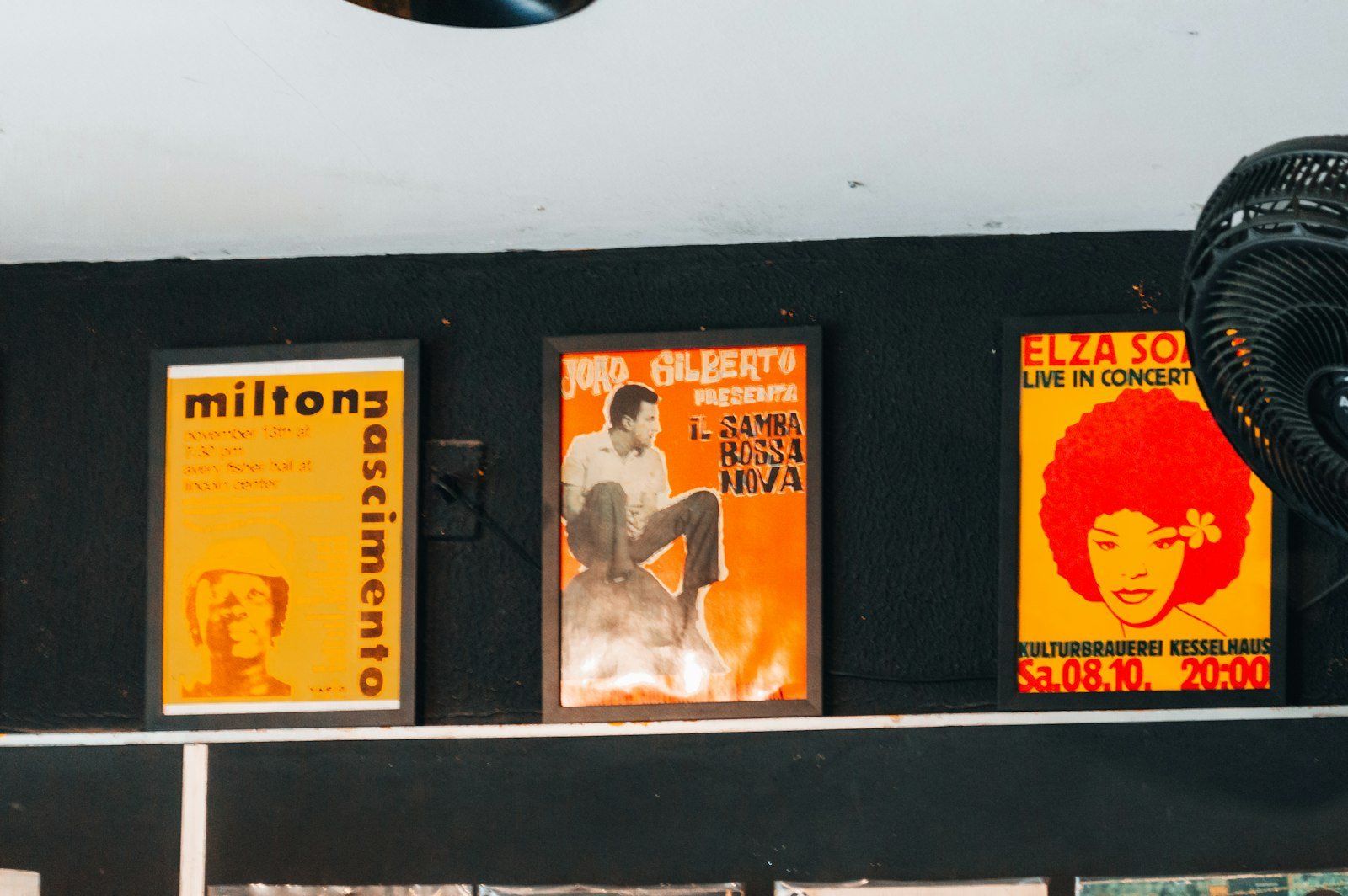
Music is how Brazil talks to itself. It plays in taxis, at the bakery, on the beach and at every family lunch, and almost everyone can sing along. If you understand a little of it before you land, the country opens up: you'll know why a whole bar suddenly stands up to sing, and you'll know where to go on a Monday night.
Some links in this article are affiliate links. If you buy through them we may earn a small commission, at no extra cost to you. How we choose what to recommend.
The styles you'll actually hear
Samba
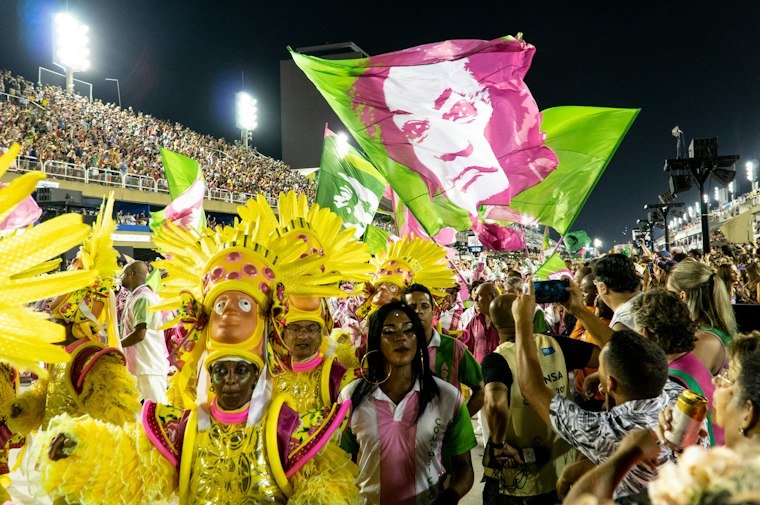
The heartbeat of Rio and of Carnival. Born in the early 1900s among Afro-Brazilian communities in Rio, it comes in many shapes, from the huge drum sections of the samba schools to the roda de samba: a circle of musicians around a table, with everyone else standing close and singing. The roda is the one to look for.
Start with: Cartola, Clara Nunes, Zeca Pagodinho, Beth Carvalho, Martinho da Vila.
Bossa nova
Samba slowed down, whispered and played on a nylon-string guitar, created in Rio's South Zone in the late 1950s. "The Girl from Ipanema" is the song everyone knows, and the bar where it was supposedly written still stands near Ipanema beach.
Start with: João Gilberto, Tom Jobim, Elis Regina, Nara Leão.
MPB (Música Popular Brasileira)
A broad label for the songwriters who came after bossa nova and mixed it with rock, folk and regional sounds. Lyrics matter a lot here. Many of these songs were written under the military dictatorship, with criticism hidden in the words.
Start with: Caetano Veloso, Gilberto Gil, Chico Buarque, Milton Nascimento, Gal Costa, Marisa Monte.
Forró
Dance music from the Northeast, built on accordion, zabumba drum and triangle. It's danced in close couples, and forró nights are one of the friendliest places to meet locals: people will happily teach you the basic step.
Start with: Luiz Gonzaga, Dominguinhos, Falamansa.
Funk carioca
Not American funk. It's Rio's own electronic, bass-heavy party music, born in the favelas and now played in clubs all over the country. Some lyrics are very explicit. If you hear a heavy beat at a beach kiosk or a party, this is it.
Start with: Anitta (the pop side of it), Ludmilla.
Sertanejo, axé and the rest
Sertanejo, Brazilian country music, is actually the most-streamed genre in the country, especially in the interior. Axé is the sound of Salvador's Carnival (Ivete Sangalo, Daniela Mercury), and pagode is a lighter, romantic cousin of samba that you'll hear at backyard barbecues.
Where to hear live music
Rio de Janeiro
- Pedra do Sal (Saúde, near downtown): an open-air roda de samba on the old stone steps where samba was born. Traditionally on Monday and Friday evenings. Free, crowded and the real thing. Go by Uber and keep your phone in your front pocket.
- Lapa: the classic nightlife district, with samba houses and bars along Rua do Lavradio and Avenida Mem de Sá. Pick an established venue rather than wandering the side streets late.
- Samba school rehearsals (ensaios): from around September to Carnival, schools like Mangueira and Salgueiro open their halls for rehearsals with the full drum section. It's loud, sweaty and unforgettable. Check each school's social media for dates, and go and come back by Uber.
- Bossa nova bars in Ipanema and Copacabana: quieter, seated, good for a first night.
Salvador
Pelourinho, the historic center, has drum groups rehearsing in the streets, especially on Tuesday evenings. Olodum's drummers are the most famous. The city is also the best place in Brazil to see capoeira with live berimbau.
São Paulo
The biggest live music scene in the country: jazz clubs, samba in Vila Madalena, huge concerts and the free Virada Cultural, a 24-hour festival held once a year across the city center.
Etiquette at a roda de samba
- The musicians sit around the table. Don't put your drink or bag on it.
- It's fine to sing along, even badly. It's not fine to film the whole time with your flash on.
- A beer from the vendors nearby is part of the experience. Pay in cash or Pix and keep small bills.
- Dancing is optional, clapping on the off-beat is encouraged.
A 10-song starter playlist
- "Garota de Ipanema" — Tom Jobim and Vinicius de Moraes
- "Águas de Março" — Elis Regina and Tom Jobim
- "O Mundo É Um Moinho" — Cartola
- "Asa Branca" — Luiz Gonzaga
- "Sozinho" — Caetano Veloso
- "Aquele Abraço" — Gilberto Gil
- "Deixa a Vida Me Levar" — Zeca Pagodinho
- "Maria Maria" — Milton Nascimento
- "Ainda Bem" — Marisa Monte
- "Envolver" — Anitta
Learning a few words of Portuguese makes the lyrics land. Our phrasebook has the basics with audio.
FAQ
Is Pedra do Sal safe?
It's busy and generally fine during the event, but the streets around it empty out late at night. Arrive and leave by Uber or 99, carry little, and keep your phone out of sight when you're not using it.
Do I need tickets for samba school rehearsals?
Most rehearsals charge a small entry fee at the door, and the busiest ones closer to Carnival can sell out. Check the school's Instagram the same week.
Where can I hear bossa nova today?
Small bars in Ipanema, Leblon and Copacabana host bossa nova nights, usually seated and early in the evening. It's a calmer alternative to Lapa.