How to Visit the Amazon Rainforest in Brazil: Manaus, Jungle Lodges and When to Go
A practical guide to an Amazon trip from Manaus: how many nights in a jungle lodge, high vs low water season, vaccines, what to pack and what a lodge stay is really like.
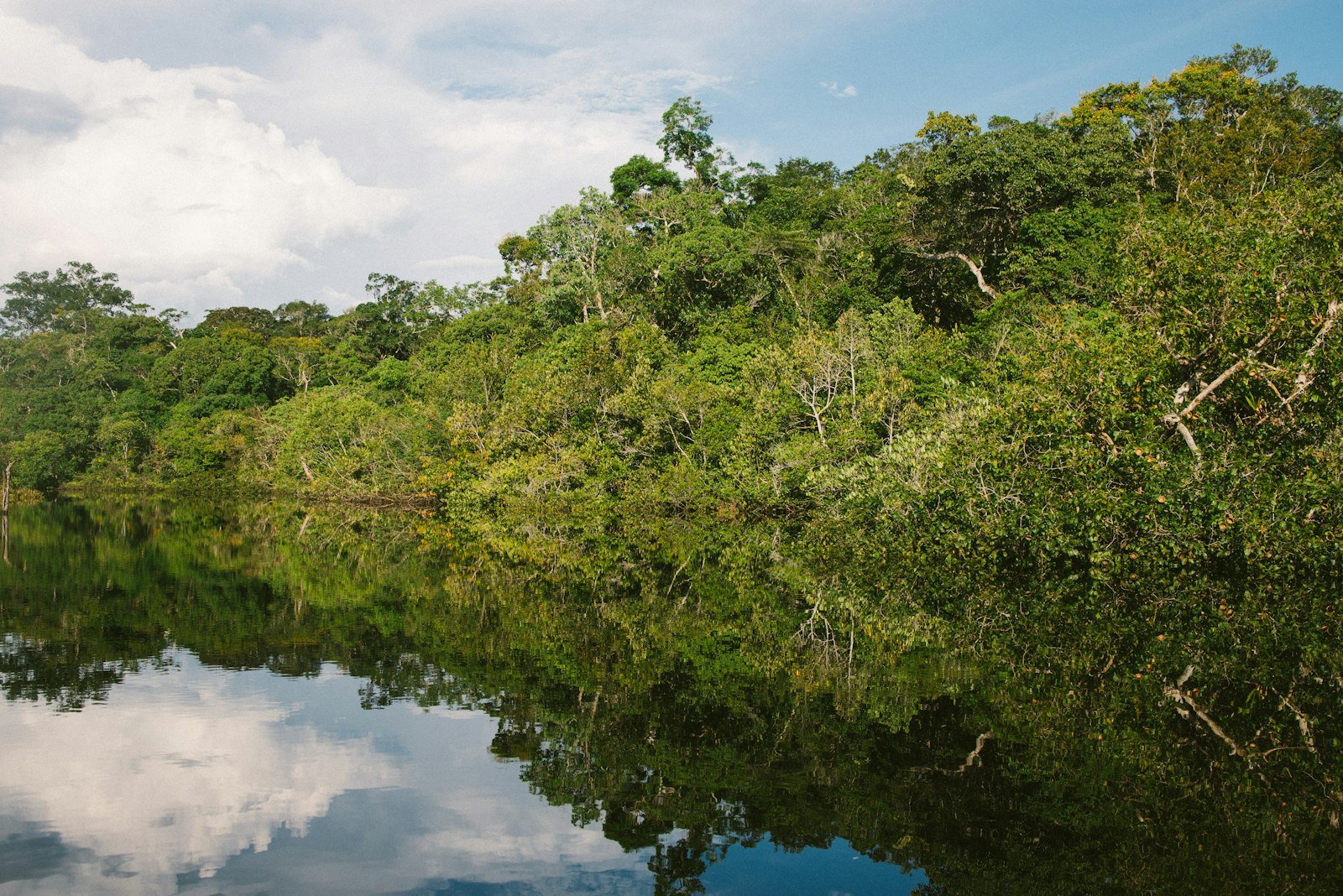
The Amazon is the largest rainforest on Earth, and most of it is in Brazil. For a visitor, the gateway is Manaus, a city of two million people in the middle of the forest, with an international airport (MAO). From there you travel by boat or road to a jungle lodge, which is where the real trip happens.
Some links in this article are affiliate links. If you buy through them we may earn a small commission, at no extra cost to you. How we choose what to recommend.
The quick plan
- 1 day in Manaus: the opera house and the Meeting of the Waters.
- 3 to 4 nights in a jungle lodge: canoe trips, forest walks, night safaris and a visit to a riverside community.
- Total: 5 days is the sweet spot. Fewer than 3 lodge nights feels rushed, because getting there takes half a day.
Manaus in a day
Teatro Amazonas, the opera house finished in 1896 during the rubber boom, is the symbol of the city. Take the guided tour, or better, see a performance. Nearby, the Adolpho Lisboa market sells fish you've never heard of, guaraná powder and herbal remedies.
The Meeting of the Waters is where the dark Rio Negro meets the sandy-coloured Solimões. Because of differences in temperature, speed and density, the two rivers run side by side without mixing for several kilometres. Most boat tours combine it with a stop to see giant water lilies.
Choosing a jungle lodge
This is the most important decision of the trip. A few things to compare:
- Distance from Manaus: lodges further away (3+ hours) have more wildlife and less noise.
- River: lodges on the Rio Negro have far fewer mosquitoes because of the acidic black water. A good choice for families.
- What's included: most lodges sell all-inclusive packages with transfers, meals, guides and activities. Check that excursions are in small groups with an English-speaking guide.
- Comfort: from hammocks under a roof to air-conditioned bungalows. Electricity can be limited to certain hours.
Book directly with the lodge or through a well-reviewed agency, never with someone who approaches you at the airport or the port.
What you'll actually do
- Canoe trips through flooded forest at sunrise, when the birds are most active
- Jungle walks with a guide who shows you medicinal plants and how to find water in a vine
- Piranha fishing (yes, you can eat them)
- Night safaris by boat to spot caimans with a flashlight
- Watching pink river dolphins
- Visiting a riverside (ribeirinho) community
Be realistic about wildlife: the forest is dense and animals hide. You will see birds, monkeys, dolphins and caimans; jaguars almost never.
When to go: high water vs low water
| High water (around May to July) | Low water (around September to November) | |
|---|---|---|
| What changes | The river rises many metres and floods the forest | The river drops and white-sand beaches appear |
| Good for | Canoeing between the treetops | Jungle walks, beaches, fishing |
| Weather | Rain is ending, slightly cooler | Hottest and driest months |
There's no bad time to go. It's hot and humid all year, and it can rain any day.
Health: vaccines and mosquitoes
A medical emergency in the jungle means a long boat ride to Manaus, so travel insurance that covers evacuation is worth it here more than anywhere else in Brazil.
What to pack
- Light long-sleeved shirts and long trousers (sun and mosquitoes)
- Closed shoes for walks; lodges often lend rubber boots
- A rain jacket and a dry bag for your phone
- A headlamp, repellent, sunscreen and a refillable bottle
- Binoculars if you have them
- Cash in reais for tips and community crafts; there are no ATMs in the jungle
Other ways to see the Amazon
- Alter do Chão (near Santarém, Pará): white river beaches, sometimes called the Caribbean of the Amazon. Best in the low-water months.
- Belém: the city at the mouth of the Amazon, with the Ver-o-Peso market and Brazil's most original food scene.
- River boat between Manaus and Santarém or Belém: days in a hammock on a cargo boat. An adventure for travellers with time.
FAQ
Is it safe to visit the Amazon?
Yes, with a reputable lodge and guide. The main risks are heat, sun, insects and wandering off the trail. Never go into the forest without your guide.
Can I visit the Amazon without a lodge?
You can take day trips from Manaus, but you won't see much forest from the city. A lodge stay is what makes the trip.
How do I get to Manaus?
By plane. There are direct flights from São Paulo, Brasília, Rio and some international routes. The flight from São Paulo takes about four hours.
Last checked October 2026. For vaccines and malaria advice, follow your own country's health authority and a travel doctor, not a blog.