Is Rio de Janeiro Safe? An Honest Guide From a Local (2026)
The real answer isn't yes or no. Here's how locals actually move around Rio — neighborhoods, phones, beaches, nightlife and the scams to watch for.
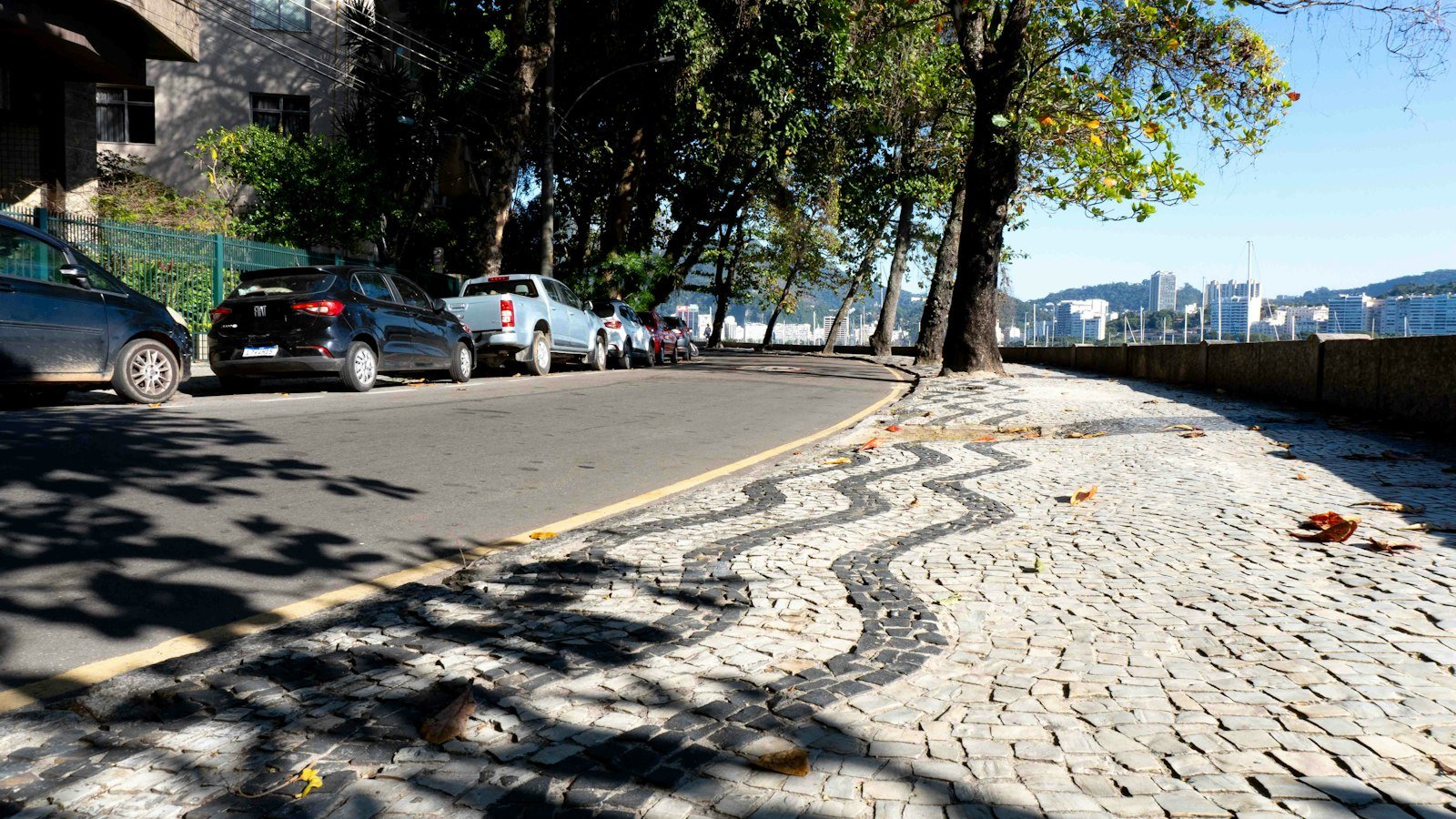
Every week someone asks me the same thing: “Is Rio safe?” The honest answer is that Rio is a city where millions of people live completely normal lives — and where tourists who don't know the unwritten rules get into trouble that locals easily avoid.
This guide is those unwritten rules. No fearmongering, no sugar-coating. Just how we, cariocas, actually do it.
Some links in this article are affiliate links. If you buy through them we may earn a small commission, at no extra cost to you. How we choose what to recommend.
The short answer
Yes, you can visit Rio safely — and most visitors do. Violent crime is concentrated in specific areas tourists rarely go. What tourists do run into is opportunistic theft: phones snatched, bags left on the sand, a distracted moment on a crowded street. The good news is that this is almost entirely preventable.
Neighborhoods: where to stay (and where to be careful)
For a first trip, stay in the Zona Sul (South Zone). It's where the beaches, restaurants and most of the tourist infrastructure are.
| Neighborhood | Vibe | Good for |
|---|---|---|
| Ipanema | Upscale, walkable, beach life | First-timers, couples |
| Leblon | The calmest and priciest | Families, comfort |
| Copacabana | Busy, classic, more budget options | Value, central location |
| Botafogo | Local, bars, great food | Repeat visitors, nomads |
| Santa Teresa | Bohemian, hilly, artsy | Charm — use Uber at night |
Centro (downtown) is fascinating during weekday business hours and very empty at night and on Sundays. Lapa is the nightlife hub — fun, crowded and the place where you should be most alert with your phone.
Your phone is the target
In Rio, the most valuable thing you carry is your smartphone. Thieves know tourists hold them loosely, especially near the beach promenade and at traffic lights in taxis.
- Use a cheap “second phone” for the beach and nights out if you have one.
- Keep your main phone in a front pocket, not in your back pocket or hand.
- In Uber, keep windows up at traffic lights and the phone away from the window.
- Turn on your phone's stolen-device protection and remove banking apps you don't need.
- Use an eSIM so you never need to hunt for Wi-Fi or a SIM shop.
Beach rules locals follow
The beach is the heart of Rio and it's where tourists get careless. Bring only what you need: a canga (sarong), sunscreen, a little cash and one card. Leave the passport, jewelry and big camera at the hotel.
Never leave things alone while everyone swims. Locals ask the neighbor on the next towel or the barraca (beach stall) to keep an eye on things — “Pode olhar minhas coisas?” — and this works. Renting chairs from a barraca also buys you a guardian for your stuff.
Getting around safely
Use Uber or 99 at night. They're cheap, tracked and the standard choice for locals too. The metro is clean and safe during the day and evening. Avoid walking through empty streets after dark, even short distances — that's what locals do.
Hiking trails like Dois Irmãos or Pedra Bonita are spectacular; go with a guide or a group, and start early.
The scams you'll actually see
- The “helpful” stranger at the ATM. Only use ATMs inside banks or shopping malls.
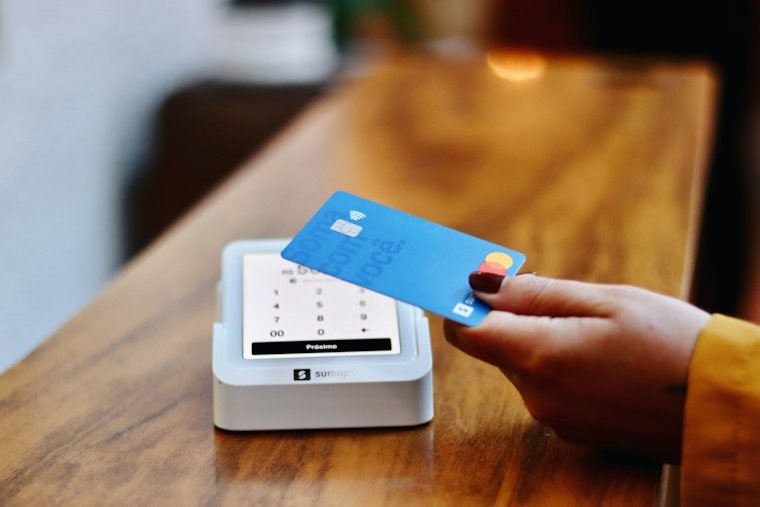
- Card machine tricks. Always look at the amount on the machine before you tap. Say no to anyone who takes your card out of sight.
- The overpriced beach snack. Ask the price before eating anything — “Quanto é?”
- The fake “police” check. Real police don't ask to inspect your cash. Stay in public and ask to go to a station.
Nightlife without drama
Go out in groups, drink water between caipirinhas (they're strong), and never accept drinks from strangers. Pre-book your Uber home from inside the bar. If someone approaches with a story, a polite “Não, obrigado” and walking on is completely normal here.
Money: carry less, lose less
Carry a small amount of cash and one card. Brazilians pay for almost everything by card or Pix, so you rarely need much cash. A travel card like Wise lets you freeze it from the app in seconds if it's ever lost.
If something happens
Don't resist. Seriously — nothing in your bag is worth it. Afterward, go somewhere safe, block your cards and phone, and file a police report (boletim de ocorrência), which you'll need for insurance. Having travel insurance turns a ruined trip into an annoying afternoon.
FAQ
Is Copacabana safe at night?
The main avenue along the beach (Avenida Atlântica) is busy and lit until late, with kiosks and restaurants. Avoid the sand itself at night and quiet side streets. Use Uber for anything more than a few blocks.
Can I visit a favela?
Yes, but only with a reputable guided tour that's run with the community. Never go on your own or follow someone who offers to “show you around”.
Is Rio safe for solo female travelers?
Many women travel solo in Rio. Stay in Ipanema, Leblon or Botafogo, use Uber at night and join group tours for hikes. Catcalling exists, but ignoring it and walking on is the norm.
Should I carry my passport?
No. Carry a photo or photocopy of it and leave the original in your hotel safe.