Money in Brazil: Cash, Cards, Pix and How to Avoid Fees
How Brazilians actually pay for things in 2026, what works for foreigners, and the simple setup that saves you money on every purchase.
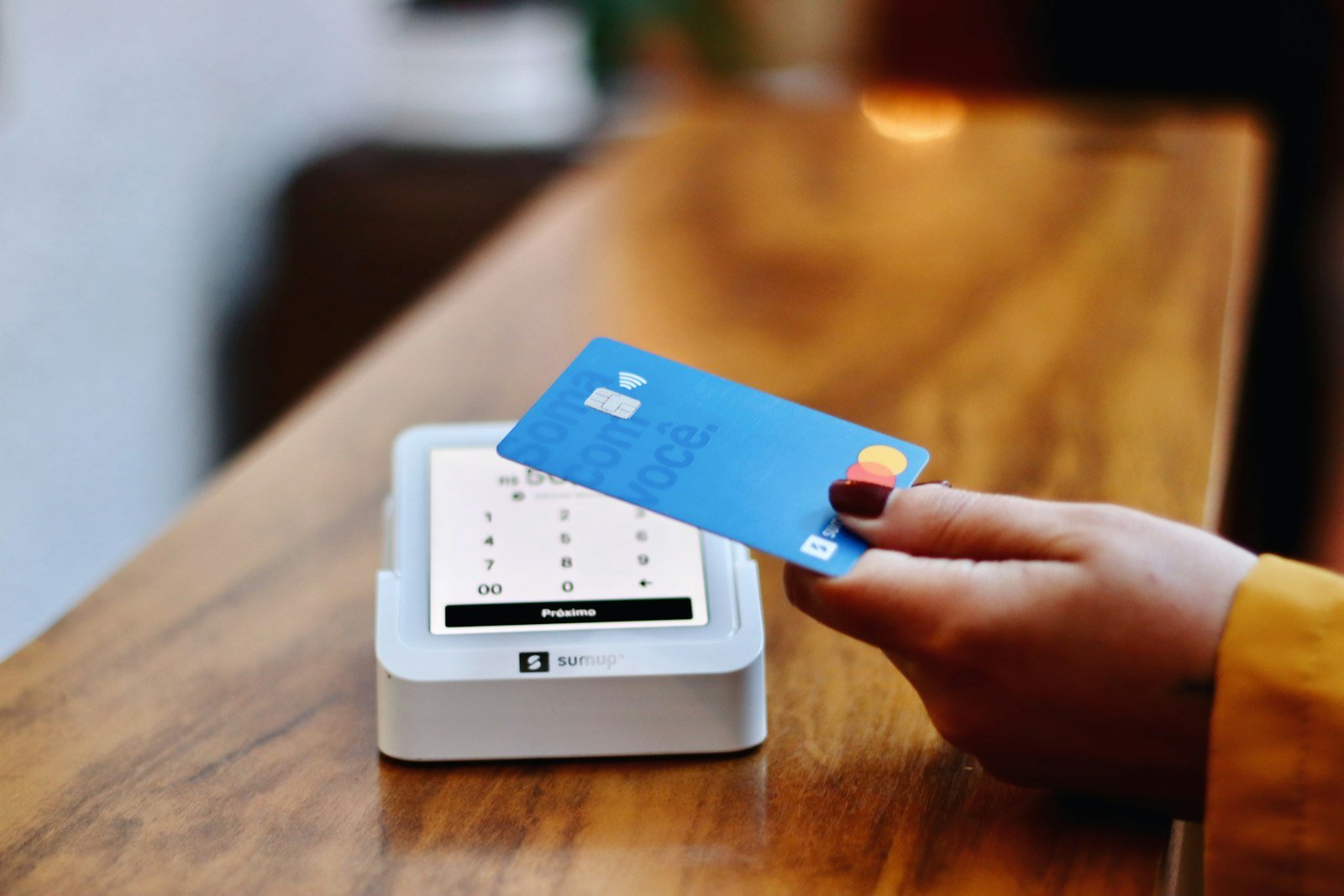
Brazil is one of the most cashless countries in the world. Street vendors on the beach take cards. The guy selling coconuts has a QR code. If you show up with a thick wad of dollars to exchange, you'll be doing it the 1999 way.
Here's what actually works for foreigners today.
Some links in this article are affiliate links. If you buy through them we may earn a small commission, at no extra cost to you. How we choose what to recommend.
The currency
Brazil uses the real (plural reais), written R$. Prices are written with a comma for decimals: R$ 12,90 means twelve reais and ninety cents.
Cards: your main tool
Visa and Mastercard are accepted almost everywhere. At checkout you'll be asked “Crédito ou débito?” — with a foreign card, answer crédito (credit), even for debit cards; it tends to work more reliably.
The catch is fees. Many banks charge 3% foreign transaction fees plus a poor exchange rate. Over a two-week trip, that adds up fast.
What is Pix?
Pix is Brazil's instant payment system, launched by the Central Bank in 2020. It's free for individuals, works 24/7 and is used for everything — splitting dinner, paying a market stall, sending rent. Payments are made with a QR code or a “Pix key” (a phone number, email or random code).
To use Pix you generally need a Brazilian bank account, which usually requires a CPF. For short trips, cards are perfectly fine. For longer stays, getting set up with Pix makes life much easier — see our CPF guide.
Cash: a little is enough
Keep around R$ 100–200 for small things: tips, a market, a beach vendor whose machine has no signal. Use ATMs inside banks, shopping malls or airports, during the day. Banco 24 Horas machines are common and generally accept foreign cards.
Tipping
Restaurants usually add a 10% service charge (“serviço”) to the bill. It's technically optional but almost always paid. Beyond that, tipping isn't expected. Rounding up for a good taxi driver or leaving something for hotel staff is appreciated.
Typical prices (big cities)
| Item | Typical price |
|---|---|
| Coffee (cafezinho) | R$ 5–10 |
| Fresh coconut on the beach | R$ 8–15 |
| Lunch “prato feito” | R$ 25–45 |
| Caipirinha at a bar | R$ 20–40 |
| Uber ride across Zona Sul (Rio) | R$ 15–35 |
Prices are approximate and vary by city and season.
Protect your money
Carry one card and a backup separately. Use an app-based card you can freeze instantly. On public Wi-Fi, avoid banking apps unless you use a VPN.
FAQ
Should I exchange money before I travel?
Not much. Exchange houses at home and at airports usually have poor rates. Bring a low-fee card and withdraw a small amount of reais from an ATM when you arrive.
Are US dollars accepted in Brazil?
Generally no. Some tourist businesses may accept them, but at a bad rate. Pay in reais.
Can foreigners use Pix?
You need an account with a Brazilian institution to send Pix. Some fintechs and international services are making this easier, so check current options before your trip.