Salvador, Bahia: A Local's Travel Guide (Where to Stay, What to Do, How to Stay Safe)
Pelourinho, the beaches of Barra, Olodum drums and the best acarajé in Brazil. How to plan Salvador: neighborhoods, things to do, day trips, safety and when to go.
Salvador was Brazil's first capital and for more than two centuries the main port of the Atlantic slave trade in the Americas. That history is everywhere: in the drums, the food, the religion and the faces of the city. It's also a beach city with warm water all year. Spend at least three full days here, four if you want a day trip.
Some links in this article are affiliate links. If you buy through them we may earn a small commission, at no extra cost to you. How we choose what to recommend.
Salvador in one minute
| Airport | SSA, about 30 to 45 minutes from Barra by car |
| Days you need | 3 to 4, plus 1 to 2 for a beach day trip |
| Best months | September to March (dry and sunny). April to July is the rainy season. |
| Where to stay | Barra (first trip), Rio Vermelho (nightlife), Santo Antônio Além do Carmo (charm) |
| Don't miss | Pelourinho, the Tuesday drums, acarajé, sunset at Farol da Barra |
Where to stay
- Barra: the easiest base for a first trip. Calm beaches, the lighthouse, the seafront promenade and plenty of hotels and restaurants. About 15 minutes by Uber to the historic center.
- Rio Vermelho: the bohemian neighborhood, with bars, live music and the best acarajé stalls. Great if you want nightlife, a little less beach.
- Santo Antônio Além do Carmo: colourful colonial streets just above Pelourinho, with small guesthouses and bay views. Beautiful and quiet, but take Uber at night instead of walking down to the busier streets.
- Pelourinho itself: lovely by day, but it empties out after dark. We'd sleep in one of the three above and visit it.
What to do
Pelourinho, the old town
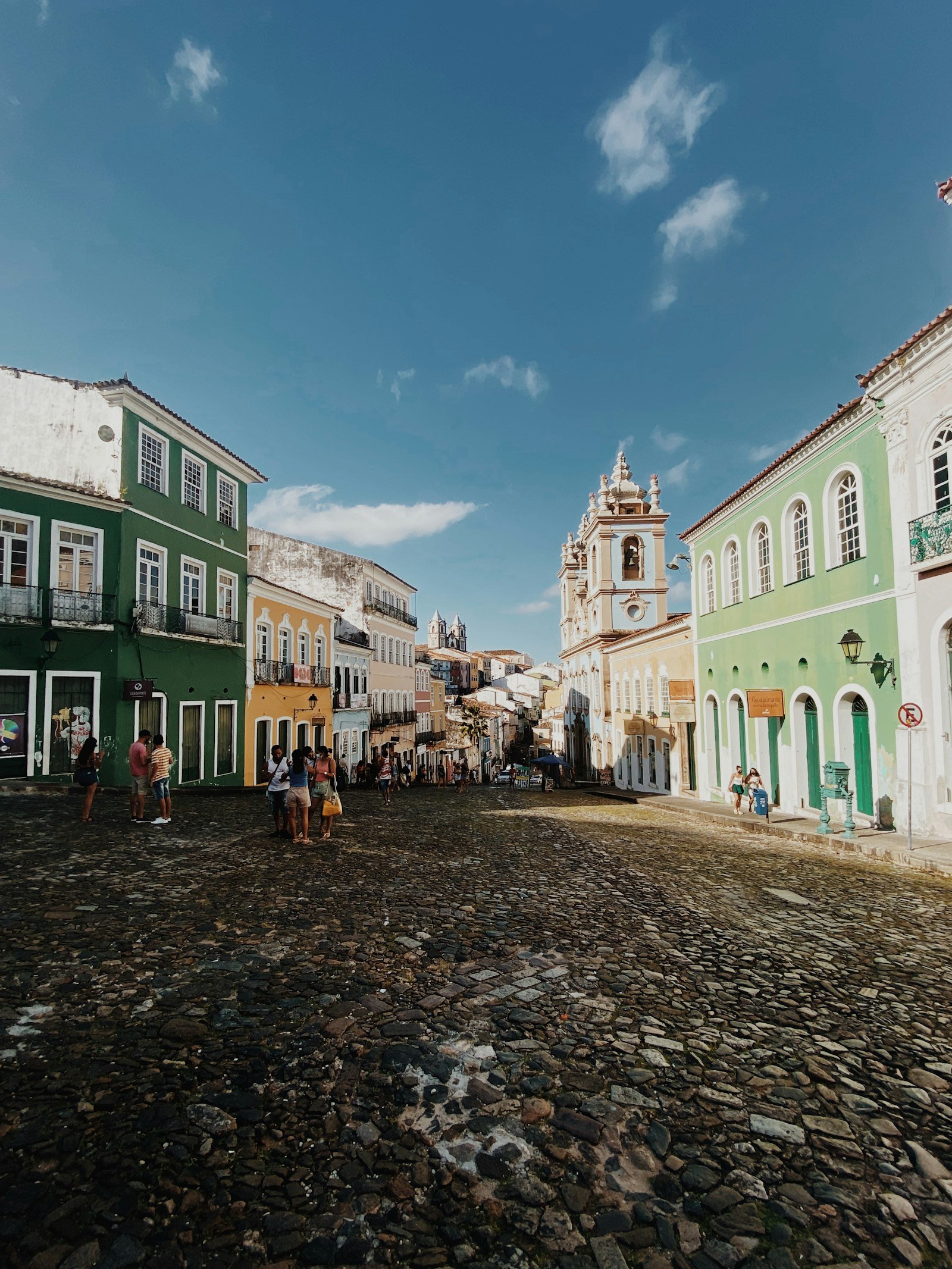
The historic center is a UNESCO World Heritage Site: pastel houses, steep cobbled streets and baroque churches. Don't miss the São Francisco church, whose interior is almost entirely covered in gold, and the Afro-Brazilian Museum. Go in the morning, when it's cooler and the light is good.
The Lacerda Elevator and the lower city
The art-deco elevator links the upper city with the lower city in about 30 seconds and costs almost nothing. At the bottom is the Mercado Modelo, a crafts market in the old customs house. Prices start high, so bargain with a smile.
The Tuesday drums
On Tuesday nights Pelourinho fills with music, and the drum group Olodum often rehearses in the old town. It's the best free introduction to Salvador's rhythm. Go with a group, keep your phone in a front pocket, and take an Uber back.
Bonfim church and the ribbons
The Igreja do Senhor do Bonfim is Salvador's most loved church. Outside you'll be offered the coloured fitas: someone ties one around your wrist with three knots, you make a wish for each knot, and you leave it on until it falls off by itself. Pay a couple of reais, not more.
Beaches and sunsets
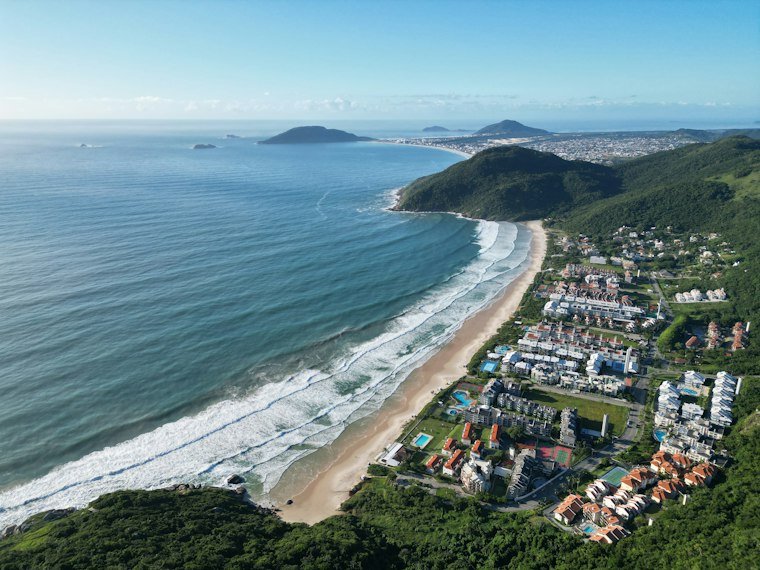
Porto da Barra is one of the few beaches in Brazil where the sun sets over the sea, and locals clap when it disappears. Farol da Barra, the lighthouse, is the classic sunset spot. For wider, wilder beaches go north towards Itapuã and Stella Maris.
Capoeira and candomblé
Salvador is the home of capoeira, and you can watch or take a class at the academies in and around Pelourinho. Candomblé, the Afro-Brazilian religion, is part of everyday life here. If you're invited to a ceremony, dress in white or light colours, don't take photos, and follow what others do.
What to eat
- Acarajé: a black-eyed pea fritter fried in dendê oil and filled with vatapá, shrimp and salad. Order it from the baianas in white dresses. Say "quente" if you want it spicy, "frio" if you don't.
- Moqueca baiana: fish or shrimp stew with coconut milk and dendê oil, served in a clay pot. One pot easily feeds two.
- Abará, cocada and tapioca: street snacks you'll find all over the city.
Read more in our guide to Brazilian dishes worth trying.
Day trips
- Morro de São Paulo: a car-free island village with numbered beaches. The catamaran from the Mercado Modelo terminal takes about two hours and the sea can be rough, so take seasickness tablets. Better as an overnight stay.
- Praia do Forte: about an hour north by road, with natural pools, a sea-turtle project and a pretty village. An easy day trip.
- Ilha dos Frades and Ilha de Itaparica: islands in the bay, reachable by boat tour or ferry.
Is Salvador safe?
Salvador has the same urban problems as other big Brazilian cities, and petty theft is the main risk for visitors. The rules that work:
- Visit Pelourinho by day and go back by Uber at night. Avoid empty side streets.
- Don't walk with your phone in your hand on busy streets or the seafront.
- Take only what you need to the beach, and never leave things alone on the sand.
- People offering to be your guide in Pelourinho will want money at the end. A polite "não, obrigado" works.
Our safety guide for Rio covers the same habits in more detail.
Carnival in Salvador
Salvador's Carnival is very different from Rio's: instead of a parade you watch, it's a street party you join. Trios elétricos, huge trucks with live bands, drive slowly along two circuits (Barra–Ondina and Campo Grande) for six days. You either buy an abadá, the shirt that lets you inside the rope around a truck, or follow for free outside the rope ("pipoca"). Book accommodation months ahead.
FAQ
How many days do I need in Salvador?
Three full days for the city, plus one or two for Morro de São Paulo or Praia do Forte.
When is the rainy season in Salvador?
Roughly April to July, with May usually the wettest month. It's still warm, but expect heavy showers most days.
Is Salvador good for beaches?
Yes. The city beaches are fine for a swim, especially Porto da Barra, but the best beaches are a short trip north or on the islands.
Do people speak English in Salvador?
Less than in Rio or São Paulo. Hotels and tour operators do; street vendors and drivers usually don't. A few phrases go a long way.
Last checked October 2026. Opening times, prices and boat schedules change, so confirm them locally before you go.