São Paulo Travel Guide: Where to Stay, What to Eat and What to Do
São Paulo isn't a stopover, it's Brazil's food and culture capital. Where to stay, the best neighborhoods, what to eat, getting from the airport, and how to stay safe.
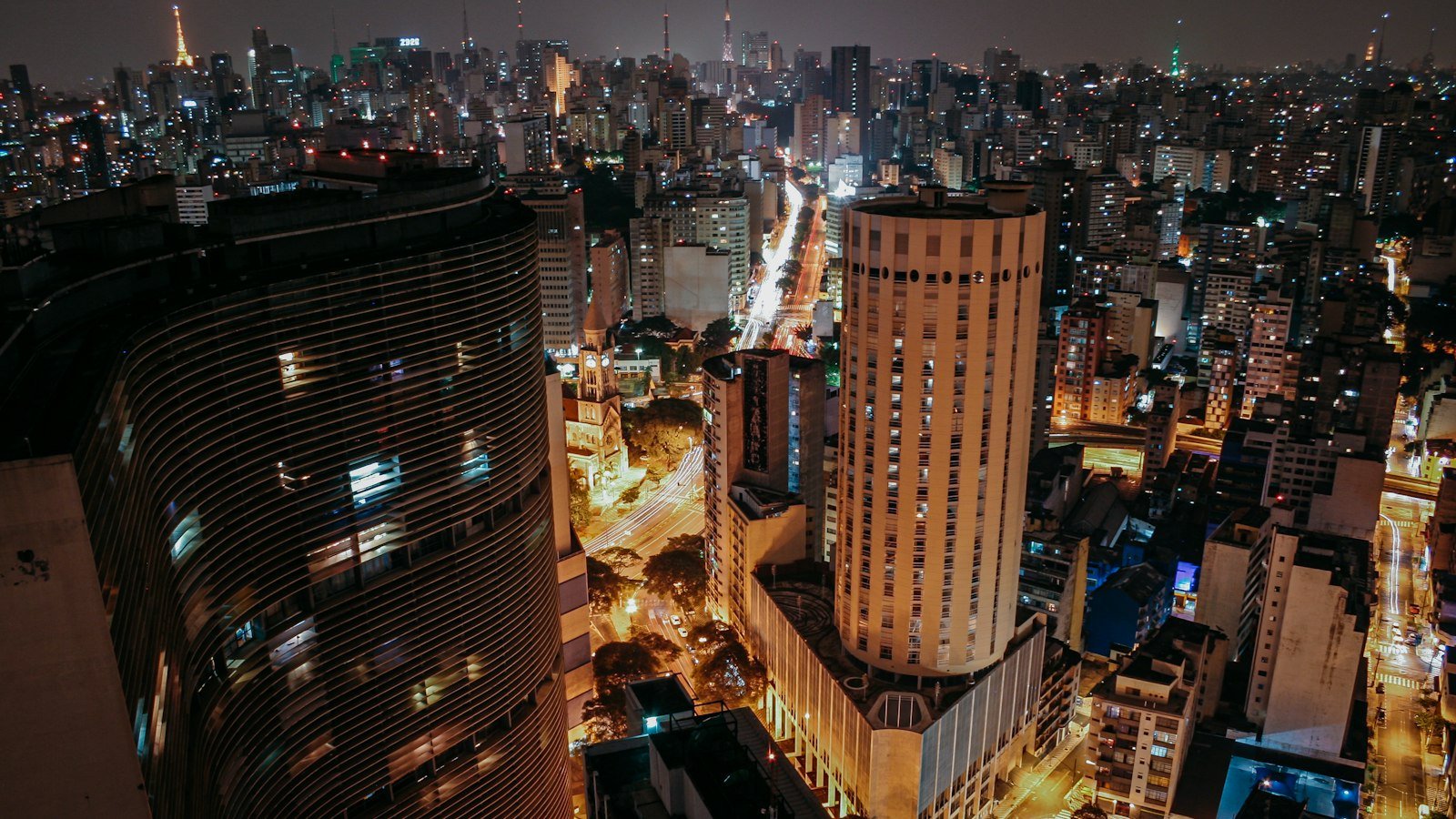
Most visitors only pass through São Paulo on the way to somewhere else. That's a mistake. It's the biggest city in the southern hemisphere, home to people from every corner of the world, and the best place in Brazil to eat, see art and go out. You won't find postcard beaches here. You'll find the real, modern Brazil.
Some links in this article are affiliate links. If you buy through them we may earn a small commission, at no extra cost to you. How we choose what to recommend.
Where to stay
- Avenida Paulista and Jardins: central, well connected by metro, with museums, cafés and good hotels. The best base for a first visit.
- Pinheiros: restaurants, bars and a younger feel, with two metro lines. Great for food lovers.
- Vila Madalena: street art, bars and live music. Lively, especially Thursday to Saturday.
- Itaim Bibi and Vila Olímpia: business districts with upscale restaurants. Fine, but less character.
We'd avoid staying in the old center (Sé, República, Luz) on a first trip. It has beautiful buildings and you should visit by day, but some streets get rough at night.
What to do
Avenida Paulista
The city's main avenue, lined with banks, cultural centers and bookshops. On Sundays it closes to cars and becomes a giant street party with musicians, families and skaters. Don't miss MASP, the art museum suspended on red pillars, with a remarkable European and Brazilian collection displayed on glass easels.
Ibirapuera Park
São Paulo's Central Park, with buildings by Oscar Niemeyer, the Afro Brasil Museum and the Museum of Modern Art. Rent a bike or join the joggers on a Sunday morning.
The historic center
See the Pinacoteca (Brazilian art in a beautiful 1900s building), the São Bento monastery, the Municipal Theater and the view from the Sampa Sky or Farol Santander tower. Go by day and on weekdays, when the area is busiest.
Liberdade
São Paulo has the largest Japanese community outside Japan, and Liberdade is its neighborhood. Come for the weekend street fair, ramen and Japanese groceries.
Beco do Batman and Vila Madalena
Alleys covered in street art, then a beer at one of the hundreds of bars nearby.
What to eat
- The mortadella sandwich at the Mercadão (the Municipal Market): absurdly big. Share one. Also try the pastel de bacalhau.
- Pizza: paulistanos are proud of their pizza, and Sunday night is pizza night.
- Pastel and garapa (sugar cane juice) at the street markets (feiras livres) held in every neighborhood.
- Virado à paulista: the traditional Monday dish of beans, pork, egg, sausage and kale.
- Everything else: Italian in Bixiga, Japanese in Liberdade, Lebanese, Korean, Peruvian, and some of the best fine dining in Latin America.
Getting around
The metro is clean, safe and the best way to cross the city. Load a card or pay by contactless at the turnstile on most lines. Uber and 99 are everywhere and cheap by international standards. Traffic is famously bad, so plan around rush hours (roughly 7 to 10am and 5 to 8pm).
From the airport
International flights land at Guarulhos (GRU), about 25 km from the center. By car it takes 40 minutes to well over an hour depending on traffic. There's also a train (Line 13) from the airport that connects to the metro, practical if you're travelling light. Domestic flights often use Congonhas (CGH), inside the city and much closer.
Is São Paulo safe?
Like any huge city, it depends on where and when. Phone snatching is the most common crime: thieves on foot, bikes or motorbikes grab phones from people's hands on the street. Keep your phone away at the curb and order Uber from inside a shop or restaurant. Avoid the Luz/Cracolândia area, and take Uber instead of walking through empty streets at night. Read our safety guide; the same habits apply.
When to go
Any time. São Paulo isn't a beach destination, so the weather matters less. Summer (December to March) brings heavy afternoon storms; winter (June to August) is dry with cool nights. Big events fill hotels: the São Paulo Grand Prix in November, the LGBT+ Pride Parade (one of the largest in the world) and Carnival, which has grown a lot in recent years.
FAQ
How many days do I need in São Paulo?
Two to three days for the highlights and the food. Add a day if you like museums or nightlife.
Is São Paulo worth visiting?
Yes, especially if you like food, art and city life. It shows a side of Brazil you won't see on the beach.
Rio or São Paulo?
For a first trip with limited time, Rio. If you have a few extra days, São Paulo is only an hour away by plane and very different.
Last checked October 2026. Opening hours and event dates change; check official sites before you go.